The Power of Visual Merchandising: Boosting Retail Sales Through Strategic Store Design
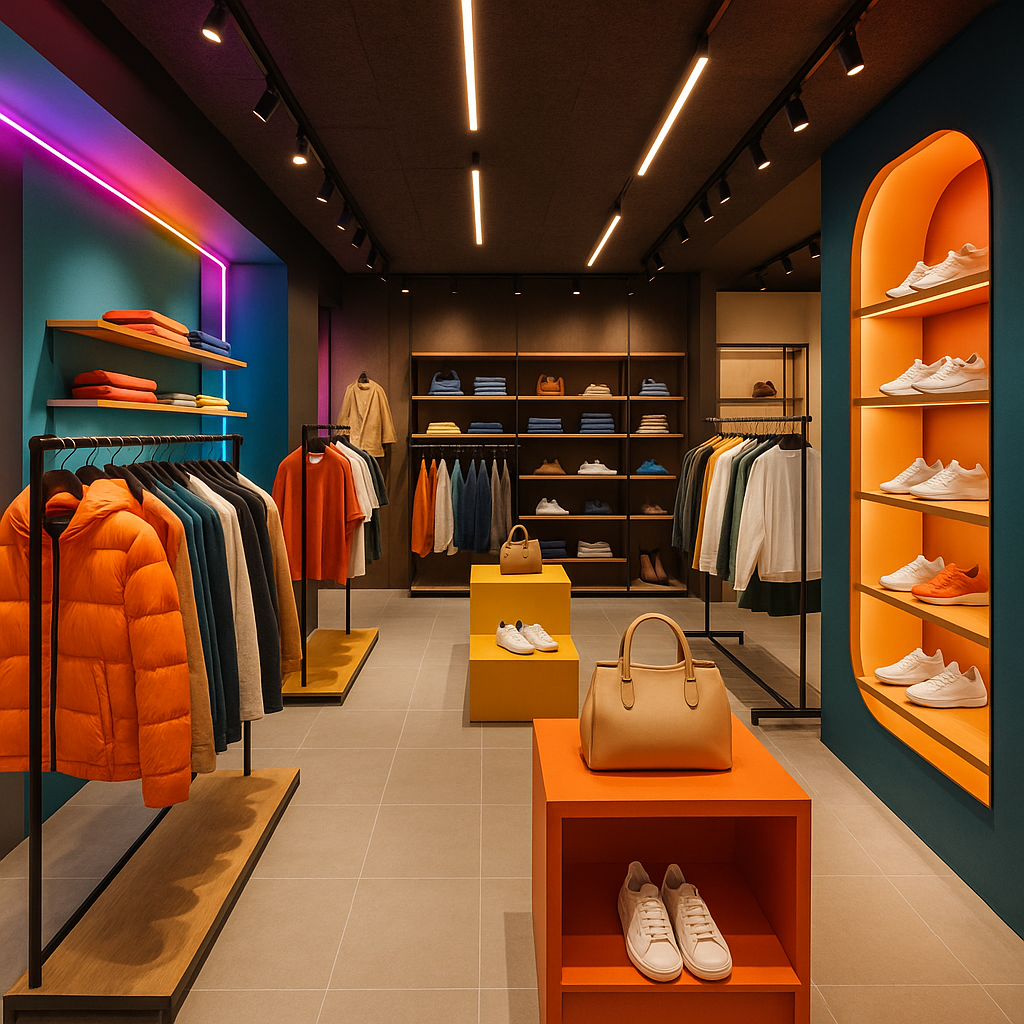

The Power of Visual Merchandising: Boosting Retail Sales Through Strategic Store Design
Introduction
In today's competitive retail environment, visual merchandising has emerged as a critical component for driving sales and enhancing customer experience. By strategically designing store layouts and displays, retailers can entice customers, increase foot traffic, and ultimately boost sales. This blog explores the various aspects of visual merchandising and how it can transform your retail operations.
Understanding Visual Merchandising
Visual merchandising is the practice of developing floor plans and three-dimensional displays in order to maximize sales. It involves everything from product placement to store layout, lighting, colors, and themes. The goal is to create an engaging environment that encourages customers to interact with products, thereby increasing the likelihood of purchase.
Key Elements of Visual Merchandising
- •Store Layout: A well-thought-out store layout can guide customers through products in a logical manner, making it easier for them to find what they need and discover new items.
- •Displays and Fixtures: Creative displays and fixtures can highlight key products and draw attention to promotions or new arrivals.
- •Lighting: Proper lighting can enhance the appearance of products, create a welcoming atmosphere, and influence customer mood.
- •Color and Theme: Using color psychology and thematic elements can set the tone of the store and appeal to customer emotions.
- •Signage: Clear and informative signage can help customers navigate the store and make informed purchasing decisions.
Crafting an Effective Visual Merchandising Strategy
To maximize the effectiveness of visual merchandising, retailers need to develop a strategy that aligns with their brand identity and business goals.
Step 1: Define Your Target Audience
Understanding your target audience is crucial for creating a visual merchandising plan that resonates with them. Consider factors such as age, gender, lifestyle, and shopping habits when designing your store.
Step 2: Develop a Cohesive Theme
A cohesive theme can unify the store's visual elements and create a memorable shopping experience. Whether it's a seasonal theme or a brand-specific concept, consistency is key.
Step 3: Optimize Product Placement
Strategically placing products can significantly impact sales. Consider placing high-margin items at eye level and using end caps for promotions. Regularly rotate products to keep the store fresh and exciting.
Step 4: Leverage Technology
Incorporating technology, such as digital displays or interactive kiosks, can enhance the shopping experience and provide additional information about products.
The Impact of Visual Merchandising on Sales
Visual merchandising is more than just aesthetics; it directly influences consumer behavior and sales performance.
Increased Foot Traffic
An inviting storefront with eye-catching displays draws customers in, increasing foot traffic and potential sales.
Enhanced Customer Experience
By creating an enjoyable shopping environment, visual merchandising encourages customers to spend more time in the store, increasing the likelihood of purchase.
Higher Conversion Rates
Effective visual merchandising can guide customers towards making a purchase by making products more appealing and accessible.
Measuring the Success of Visual Merchandising
To ensure your visual merchandising efforts are effective, it's important to measure their success using key performance indicators (KPIs).
Sales Data Analysis
Monitor sales data before and after implementing visual merchandising changes to assess their impact.
Customer Feedback
Gather customer feedback through surveys or direct interactions to understand how visual merchandising affects their shopping experience.
In-Store Observations
Conduct regular observations of customer behavior within the store to identify areas for improvement.
Conclusion
Visual merchandising is a powerful tool for retailers looking to enhance their operations and boost sales. By understanding the key elements and developing a strategic approach, businesses can create engaging environments that attract and retain customers. As the retail landscape continues to evolve, embracing innovative visual merchandising techniques will be essential for staying competitive and achieving long-term success.
Stay in the loop.
Join 5,000+ founders receiving weekly insights on retail scaling and operations.
Get retail growth strategies
delivered to your inbox.
READY TO UPGRADE YOUR OPERATIONS? START TRIAL FREE FOR 30 DAYS.