Eco-Friendly Packaging: Transforming the Future of Product Delivery
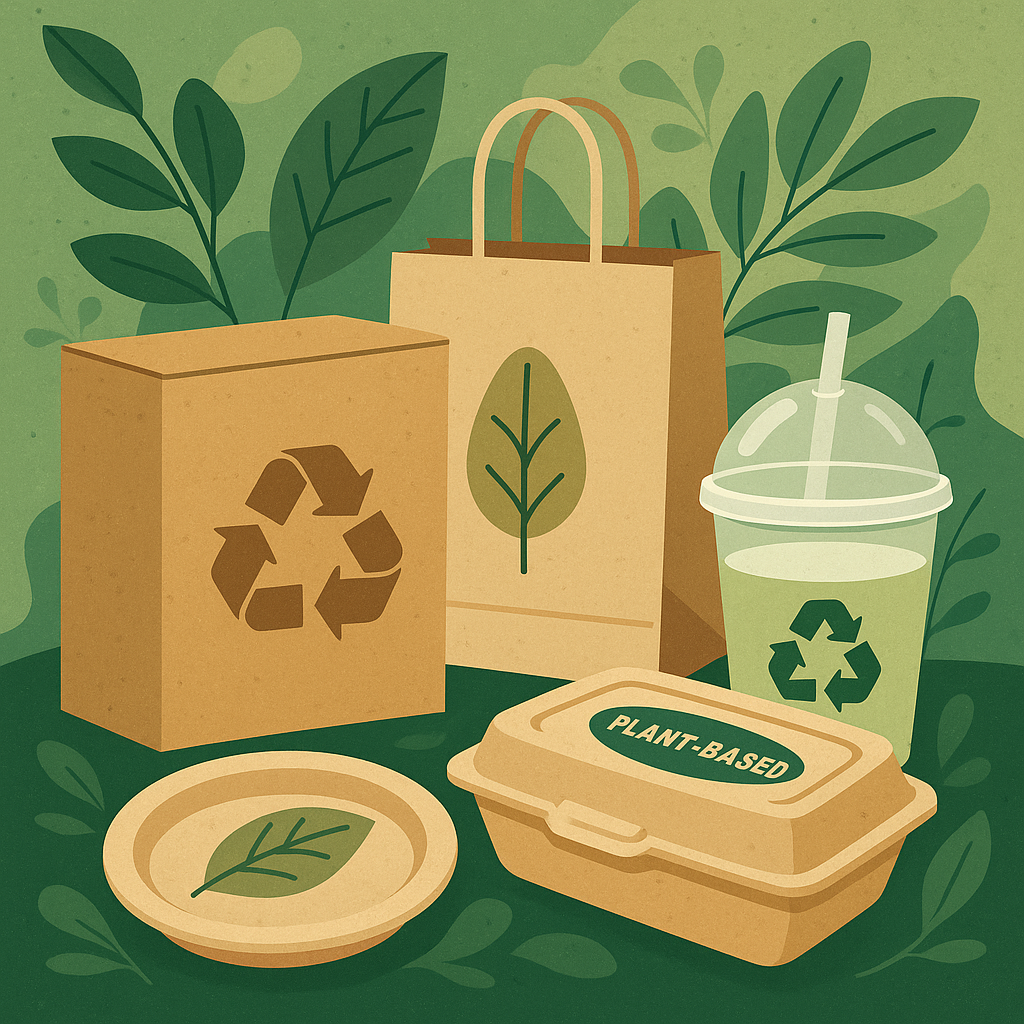

Eco-Friendly Packaging: Transforming the Future of Product Delivery
In today's rapidly evolving marketplace, the spotlight is increasingly on sustainability. As consumers become more environmentally conscious, businesses must adapt by integrating eco-friendly practices into their operations. One such area ripe for innovation is product packaging, an essential component in the supply chain that often contributes significantly to a company's environmental footprint.
Why Eco-Friendly Packaging Matters
Packaging serves multiple purposes: it protects products, informs consumers, and facilitates transportation. However, traditional packaging materials like plastic can have detrimental environmental effects, taking centuries to decompose. The shift toward eco-friendly packaging not only addresses these environmental concerns but also aligns with consumer demand for sustainable products.
Environmental Benefits
- •Reduction in Waste: Eco-friendly packaging solutions often use biodegradable materials, reducing landfill waste.
- •Lower Carbon Footprint: Sustainable packaging generally requires less energy to produce and transport.
- •Preservation of Natural Resources: Utilizing recycled materials conserves resources and reduces the need for virgin materials.
Consumer Appeal
- •Increased Brand Loyalty: Consumers are more likely to support brands that prioritize sustainability.
- •Enhanced Brand Image: Companies adopting green practices can bolster their public image and differentiate themselves from competitors.
Types of Eco-Friendly Packaging Materials
The move toward greener packaging involves a variety of materials, each with unique benefits:
Recycled Paper and Cardboard
- •Benefits: Highly recyclable and biodegradable, these materials are ideal for a range of products, from food to electronics.
- •Applications: Often used for boxes, cartons, and packing fillers.
Biodegradable Plastics
- •Benefits: Made from renewable resources like corn starch, these plastics break down more easily than traditional ones.
- •Applications: Suitable for packaging that requires flexibility and durability.
Plant-Based Packaging
- •Benefits: Derived from sustainable sources, plant-based materials offer a compostable alternative to petroleum-based packaging.
- •Applications: Commonly used in food packaging and for disposable items.
Mushroom Packaging
- •Benefits: This innovative material uses agricultural waste bonded with mushroom roots, providing a fully compostable solution.
- •Applications: Ideal for protective packaging and cushioning.
Strategies for Implementing Eco-Friendly Packaging
Transitioning to sustainable packaging requires strategic planning and commitment. Here are some key steps businesses can take:
Conduct a Packaging Audit
- •Identify Current Impact: Evaluate your existing packaging materials and their environmental footprint.
- •Set Goals: Establish clear objectives for reducing waste and improving sustainability.
Partner with Green Suppliers
- •Source Responsibly: Work with suppliers who prioritize sustainable materials and practices.
- •Collaborate: Develop packaging solutions that meet both environmental and functional needs.
Educate and Engage Consumers
- •Transparency: Clearly communicate your packaging initiatives and their benefits.
- •Incentives: Encourage customers to recycle or return packaging through loyalty programs or discounts.
Innovate Continuously
- •Stay Informed: Keep abreast of new materials and technologies in eco-friendly packaging.
- •Pilot Programs: Test innovative solutions on a small scale before full implementation.
Challenges and Opportunities
While the shift to eco-friendly packaging presents challenges such as potential cost increases and the need for supply chain adjustments, it also offers significant opportunities:
Overcoming Challenges
- •Cost Management: Initial investments may be higher, but long-term savings are achievable through efficiency improvements and waste reduction.
- •Supply Chain Adjustments: Collaborate with partners to ensure the smooth integration of new materials and processes.
Seizing Opportunities
- •Market Differentiation: Stand out in a crowded market by showcasing your commitment to sustainability.
- •Innovation Leadership: Position your brand as a leader in sustainability by pioneering new packaging solutions.
Conclusion
The future of product delivery is undeniably tied to sustainability. By adopting eco-friendly packaging solutions, businesses can not only reduce their environmental impact but also align with consumer values and enhance their brand reputation. As the world continues to prioritize sustainability, companies that innovate in this space are likely to thrive and lead in the coming years.
Embrace the change, and make a positive impact on the planet—one package at a time.
Stay in the loop.
Join 5,000+ founders receiving weekly insights on retail scaling and operations.
Get retail growth strategies
delivered to your inbox.
READY TO UPGRADE YOUR OPERATIONS? START TRIAL FREE FOR 30 DAYS.