Optimizing Retail Checkout Processes: Strategies for Efficiency
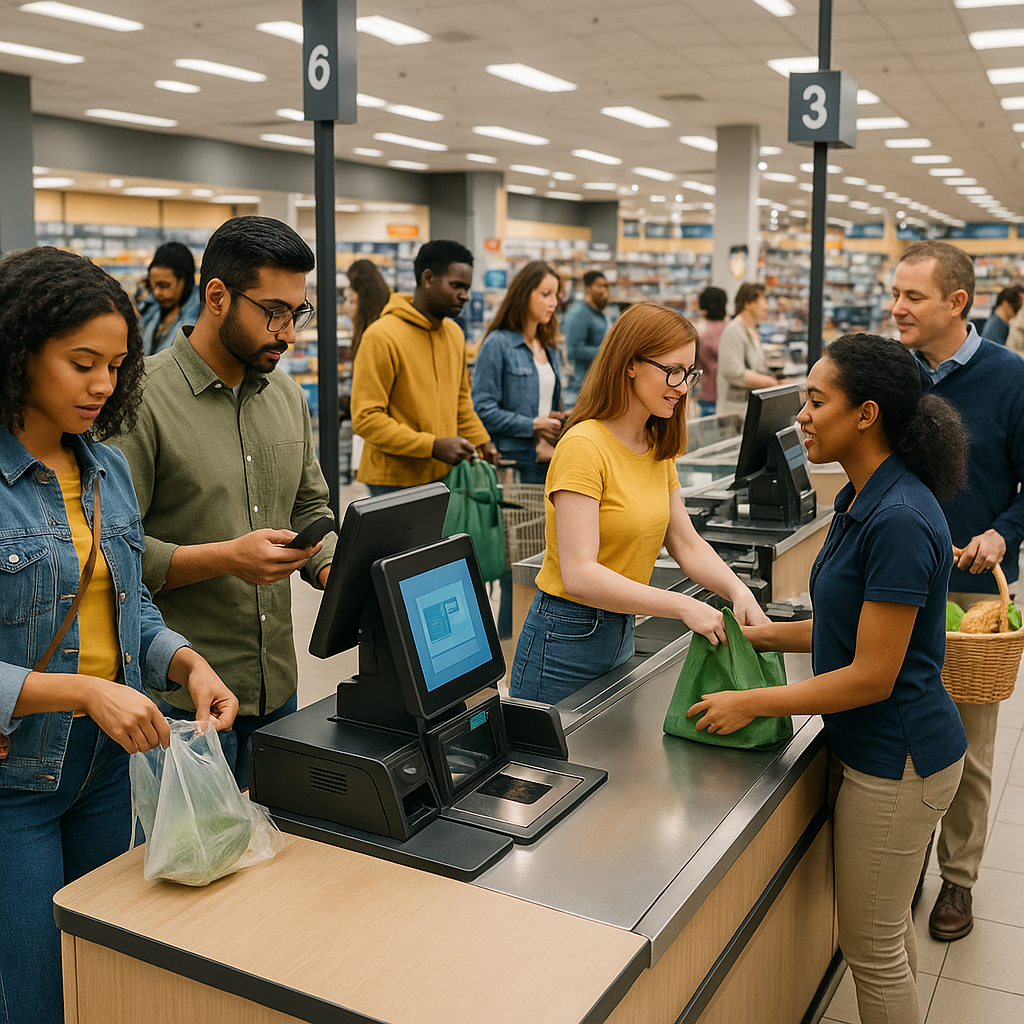

Optimizing Retail Checkout Processes: Strategies for Efficiency
In the dynamic world of retail operations, the checkout process serves as the final touchpoint in a customer's shopping experience. Ensuring a swift, efficient, and seamless checkout can significantly influence customer satisfaction and loyalty. This blog post explores strategies to optimize checkout processes, thereby enhancing operational efficiency and customer experience.
Understanding the Importance of Checkout Efficiency
The checkout process is more than just the final step in a transaction. It's a critical component of the overall customer experience. A slow or cumbersome checkout can lead to customer frustration, abandoned purchases, and decreased loyalty. Conversely, a streamlined checkout process can enhance customer satisfaction, encourage repeat business, and positively impact the bottom line.
Key Benefits of Efficient Checkouts
- •Increased Customer Satisfaction: Quick and hassle-free checkouts lead to higher customer satisfaction.
- •Reduced Cart Abandonment: Efficient processes minimize the risk of customers abandoning their purchases.
- •Higher Throughput: Faster checkouts allow more customers to be served in less time, increasing sales volume.
- •Improved Staff Productivity: Streamlined processes reduce the workload on staff, allowing them to focus on customer service.
Strategies to Optimize Retail Checkout Processes
Implementing effective strategies to optimize the checkout process can transform retail operations. Here are some key methods to consider:
1. Implementing Advanced Point of Sale (POS) Systems
Modern POS systems are designed to streamline transactions, reduce processing times, and enhance data management. Consider integrating a POS system that offers features such as:
- •Mobile Checkout: Allow staff to process transactions anywhere in the store using handheld devices.
- •Contactless Payments: Speed up transactions with NFC technology and mobile payment solutions.
- •Integrated Inventory Management: Automatically update inventory levels with each sale to improve stock accuracy.
2. Enhancing Staff Training and Support
Well-trained staff are essential for efficient checkouts. Invest in regular training and support to ensure employees are adept at using the checkout systems and handling customer queries effectively.
- •Role-Playing Exercises: Simulate various checkout scenarios to prepare staff for real-world challenges.
- •Customer Service Skills: Focus on enhancing communication and problem-solving skills.
3. Designing an Efficient Checkout Layout
The physical layout of the checkout area plays a crucial role in process efficiency. Consider the following layout tips:
- •Clearly Marked Lanes: Use signage to help customers navigate to the correct checkout line.
- •Ample Space: Ensure there is enough space for customers to comfortably place their items and for staff to work efficiently.
- •Queue Management: Implement systems to manage and streamline customer queues, reducing wait times.
4. Leveraging Technology for Self-Checkout Options
Self-checkout kiosks offer customers a quick and convenient alternative to traditional checkout lanes. To maximize their efficiency:
- •User-Friendly Interface: Ensure the kiosks are intuitive and easy to use.
- •Assistance Availability: Position staff nearby to assist customers and troubleshoot issues.
- •Regular Maintenance: Keep kiosks well-maintained to prevent downtime and technical glitches.
5. Utilizing Data Analytics for Continuous Improvement
Data analytics can provide valuable insights into checkout processes, helping identify areas for improvement. Implement analytics tools to monitor:
- •Transaction Times: Analyze data to identify peak times and adjust staffing accordingly.
- •Customer Feedback: Gather and respond to feedback on the checkout experience.
- •Sales Patterns: Use data to optimize inventory and staffing levels.
Overcoming Common Challenges in Checkout Optimization
While optimizing checkout processes offers many benefits, retailers may encounter challenges such as technology integration, staff resistance, or customer adaptation. To overcome these hurdles:
- •Gradual Implementation: Introduce new technologies and processes gradually to allow for adaptation.
- •Change Management: Communicate the benefits of changes to staff and customers to gain buy-in.
- •Feedback Loops: Create channels for feedback to continuously refine and improve processes.
Conclusion
Optimizing the retail checkout process is a strategic initiative that can significantly enhance customer satisfaction and operational efficiency. By implementing advanced technologies, enhancing staff training, and leveraging data analytics, retailers can create a seamless and efficient checkout experience that benefits both customers and the business. Focus on continuous improvement and adaptability to keep pace with evolving retail trends and customer expectations.
By prioritizing checkout efficiency, retailers can build a competitive edge and foster lasting customer loyalty, ultimately driving business growth and success.
Final Thoughts
As the retail landscape continues to evolve, maintaining an efficient checkout process will remain a cornerstone of successful retail operations. Embrace innovation, stay customer-centric, and keep refining your processes to ensure a positive and memorable shopping experience for every customer.
Stay in the loop.
Join 5,000+ founders receiving weekly insights on retail scaling and operations.
Get retail growth strategies
delivered to your inbox.
READY TO UPGRADE YOUR OPERATIONS? START TRIAL FREE FOR 30 DAYS.