Enhancing Customer Experience Through Retail Personalization

Enhancing Customer Experience Through Retail Personalization
In the competitive realm of retail operations, personalization has emerged as a key differentiator. As consumers become more discerning, they expect experiences that are tailored to their unique preferences and needs. Retailers who can effectively personalize their offerings are more likely to enhance customer satisfaction, foster loyalty, and drive sales. This blog post explores innovative strategies to personalize retail experiences, boosting customer engagement and loyalty.
Understanding Retail Personalization
Retail personalization involves tailoring the shopping experience to meet individual customer needs. This can include personalized product recommendations, targeted marketing messages, and bespoke customer service. By leveraging data and advanced analytics, retailers can gain insights into customer behavior and preferences, allowing them to create more relevant and engaging experiences.
The Importance of Personalization
- •Increased Customer Loyalty: Personalized experiences make customers feel valued, which can lead to increased loyalty and repeat business.
- •Higher Conversion Rates: Tailored recommendations and offers can significantly boost conversion rates as customers are more likely to purchase items that resonate with their personal tastes.
- •Enhanced Customer Insights: Personalization efforts provide retailers with valuable data that can be used to refine marketing strategies and improve product offerings.
Strategies for Successful Retail Personalization
1. Utilize Customer Data Effectively
Collecting and analyzing customer data is the foundation of any successful personalization strategy. Retailers should leverage data from various sources, including:
- •Purchase History: Understanding past purchases can help predict future buying behavior.
- •Browsing Behavior: Monitoring how customers interact with online platforms provides insights into their interests.
- •Customer Feedback: Actively seeking and utilizing feedback can help refine personalization efforts.
2. Implement Advanced Technology Solutions
The use of technology is crucial in delivering personalized experiences at scale. Key technological solutions include:
- •Artificial Intelligence (AI): AI algorithms can analyze vast amounts of data to generate personalized product recommendations and marketing messages.
- •Machine Learning (ML): ML can help predict customer behavior and preferences, allowing for more accurate personalization.
- •Customer Relationship Management (CRM) Systems: These systems help track and manage customer interactions, providing a comprehensive view of customer preferences.
3. Personalize Marketing Campaigns
Targeted marketing campaigns can enhance customer engagement and drive sales. Effective strategies include:
- •Segmentation: Dividing customers into segments based on behavior or demographics allows for more targeted marketing efforts.
- •Dynamic Content: Using dynamic content in emails and advertisements ensures that messages are relevant to individual customers.
- •Loyalty Programs: Personalized loyalty programs that offer tailored rewards can increase customer retention.
4. Enhance In-Store Experiences
While much of personalization focuses on digital channels, enhancing in-store experiences is equally important. Consider these approaches:
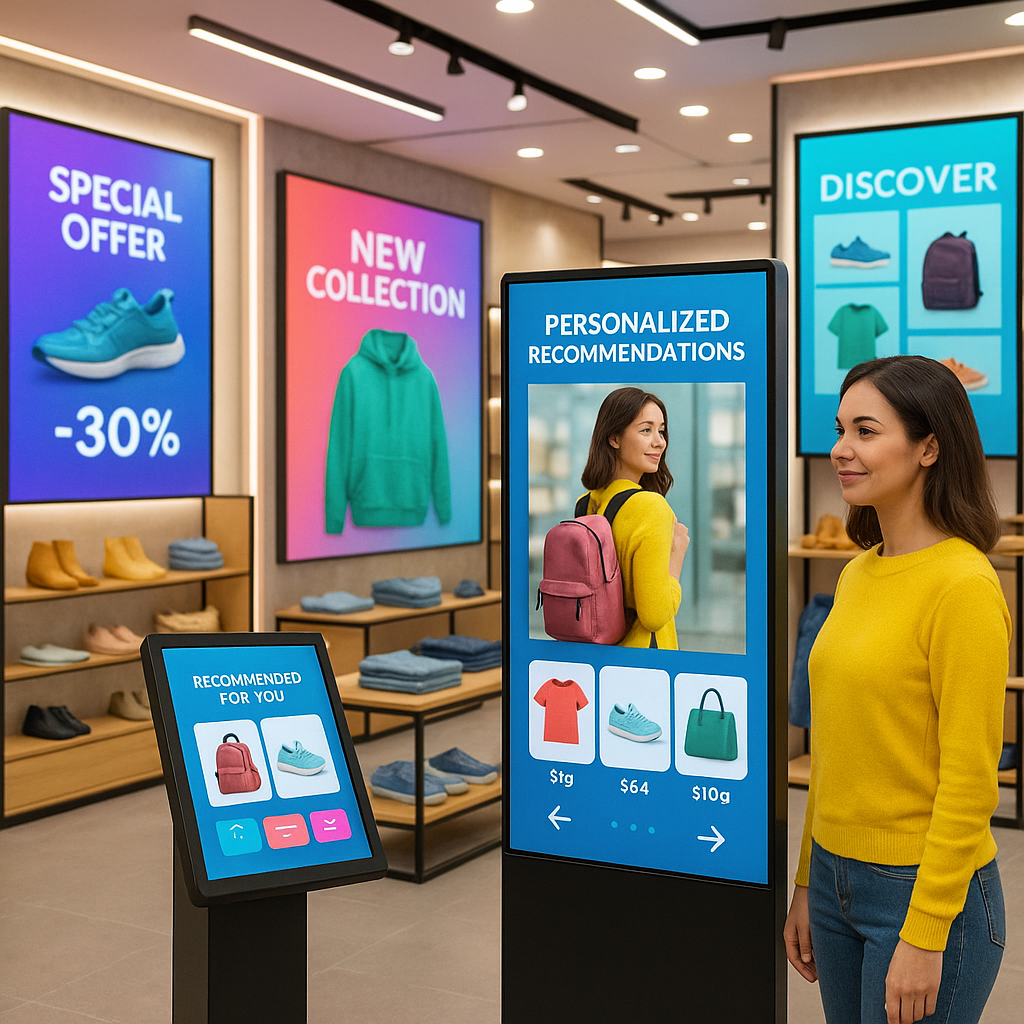
- •Interactive Displays: Smart, interactive displays can provide personalized product recommendations in-store.
- •Personal Shopping Assistants: Offering personal shopping assistance can enhance the customer experience by providing tailored advice and recommendations.
- •Mobile Integration: Integrating mobile apps with in-store shopping can create a seamless, personalized experience for customers.
Challenges and Considerations
While personalization offers numerous benefits, retailers must also navigate certain challenges:
- •Privacy Concerns: Ensuring customer data is secure and respecting privacy is paramount. Retailers must be transparent about how data is used and provide options for customers to control their information.
- •Resource Intensive: Implementing personalization strategies requires significant investment in technology and resources.
- •Data Accuracy: The success of personalization efforts relies heavily on the accuracy of customer data.
Conclusion
Retail personalization is more than just a buzzword; it's a strategic approach that can significantly impact customer experience and business success. By leveraging data, technology, and innovative marketing strategies, retailers can deliver personalized experiences that delight customers and drive loyalty. As the retail landscape continues to evolve, those who embrace personalization will be well-positioned to thrive in the competitive market.
By focusing on individual customer needs and preferences, retailers can not only enhance the shopping experience but also build lasting relationships that translate into sustained business growth.
Stay in the loop.
Join 5,000+ founders receiving weekly insights on retail scaling and operations.
Get retail growth strategies
delivered to your inbox.
READY TO UPGRADE YOUR OPERATIONS? START TRIAL FREE FOR 30 DAYS.