The Rise of Smart Home Devices: Transforming Everyday Living
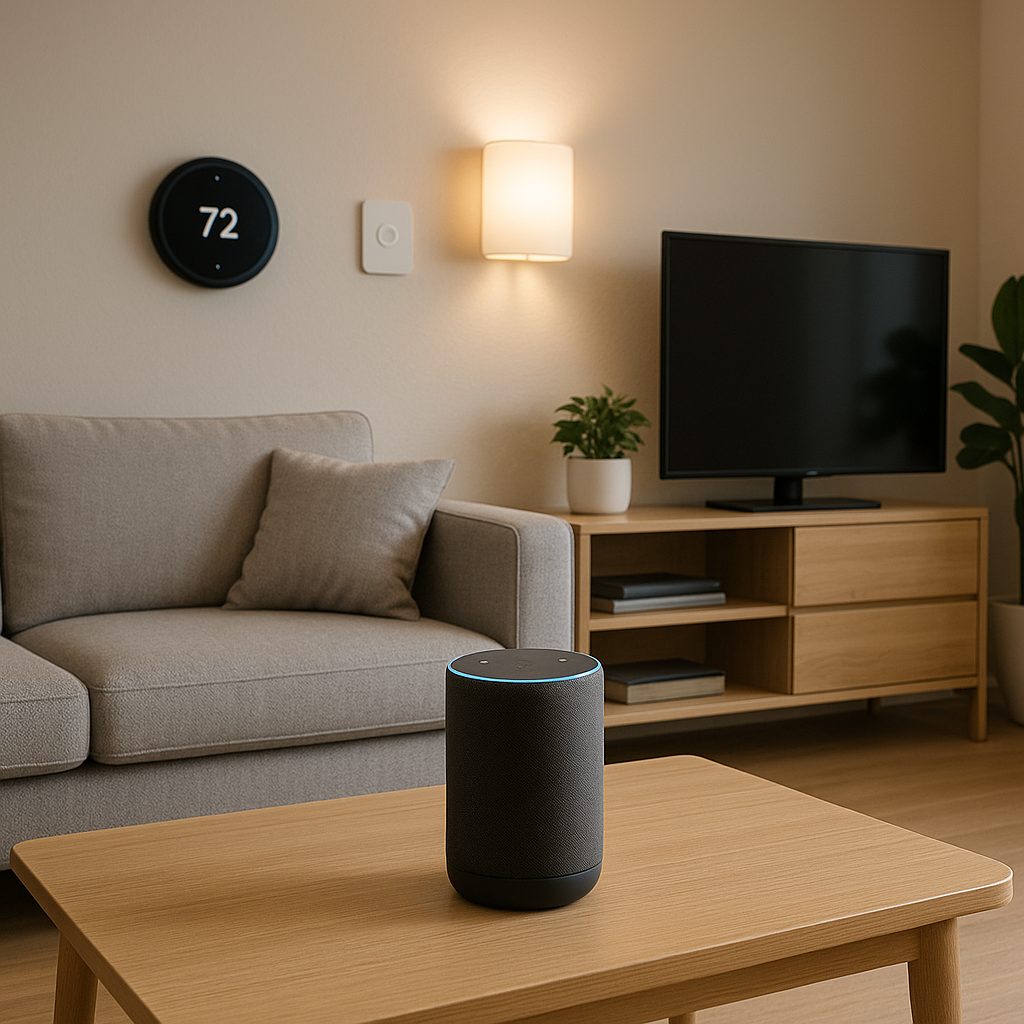

The Rise of Smart Home Devices: Transforming Everyday Living
In recent years, smart home devices have become more than just high-tech gadgets—they've evolved into essential components of modern living. From optimizing energy usage to enhancing security, these devices are revolutionizing the way we interact with our living spaces. In this blog post, we explore how smart home technology is transforming everyday living and why it's becoming a staple in households worldwide.
What Are Smart Home Devices?
Smart home devices are internet-connected gadgets that allow users to control and monitor various aspects of their home environment remotely. These devices often integrate with smartphones, tablets, or voice-activated assistants, providing seamless management of home tasks.
Types of Smart Home Devices
- •Smart Speakers: Devices like Amazon Echo or Google Home that act as central hubs for voice control.
- •Smart Thermostats: Products such as the Nest Learning Thermostat that adjust heating and cooling based on user preferences and schedules.
- •Smart Lighting: Systems like Philips Hue that enable users to control lighting settings via apps or voice commands.
- •Smart Security Systems: Includes cameras, locks, and alarms that can be monitored remotely for enhanced security.
- •Smart Appliances: Refrigerators, ovens, and washing machines that can be programmed to operate at optimal times.
Benefits of Adopting Smart Home Devices
1. Convenience and Control
One of the primary advantages of smart home devices is the convenience they offer. With the ability to control home functions from a single app or through voice commands, users can manage their home environment without needing to be physically present. For instance, adjusting the thermostat or turning off lights can be done from anywhere in the world.
2. Enhanced Security
Smart security systems provide an additional layer of protection for homes. Real-time alerts, motion detection, and live video streaming allow homeowners to monitor their property closely. Smart locks can be configured to provide temporary access to guests, removing the need for physical keys.
3. Energy Efficiency
Smart home devices contribute to energy savings by optimizing the operation of home systems. Smart thermostats, for example, learn user behavior and adjust temperature settings to save energy without compromising comfort. Similarly, smart lighting systems can be scheduled to turn off when not in use, reducing electricity consumption.
4. Improved Quality of Life
By automating routine tasks, smart home devices free up time for homeowners to focus on more important activities. From scheduling coffee makers to automating cleaning robots, these devices simplify daily routines, enhancing overall quality of life.
Challenges and Considerations
Despite their many benefits, there are certain challenges associated with smart home device adoption.
1. Privacy Concerns
The collection of data by smart devices raises potential privacy issues. It's crucial for users to be aware of what information is being collected and how it's being used. Manufacturers are continuously working to enhance the security of these devices to protect user data.
2. Compatibility and Integration
With numerous brands and products in the market, ensuring compatibility between devices can be challenging. Users should consider ecosystems that offer broad compatibility to maximize the functionality of their smart home setup.
3. Initial Investment
While smart home devices can lead to savings in the long term, the initial investment can be substantial. It's important for consumers to evaluate the cost-benefit ratio and prioritize devices that offer the most value for their specific needs.
The Future of Smart Home Technology
The future of smart home technology is incredibly promising. As artificial intelligence advances, so will the capabilities of these devices. Innovations such as improved voice recognition, predictive analytics, and seamless integration with other aspects of daily life are on the horizon. This evolution will further enhance convenience and efficiency, making smart homes more accessible and beneficial to everyone.
Conclusion
Smart home devices are reshaping the way we live, offering unprecedented levels of convenience, security, and energy efficiency. By understanding the benefits and challenges associated with these technologies, individuals can make informed decisions about integrating smart devices into their homes. As this technology continues to evolve, the possibilities for improving everyday living are endless.
Stay in the loop.
Join 5,000+ founders receiving weekly insights on retail scaling and operations.
Get retail growth strategies
delivered to your inbox.
READY TO UPGRADE YOUR OPERATIONS? START TRIAL FREE FOR 30 DAYS.