Mastering the Art of Product Customization: Enhancing User Experience

Mastering the Art of Product Customization: Enhancing User Experience
Introduction
In today's fast-paced market, product customization has become a powerful tool for brands looking to enhance user experience and foster lasting customer relationships. As consumers increasingly seek personalized products that reflect their unique preferences, businesses have an opportunity to stand out by offering tailored solutions. This blog post explores the benefits of product customization, strategies for implementation, and how it ultimately enhances customer satisfaction and brand loyalty.
The Rise of Product Customization
Understanding Consumer Demand
The modern consumer desires products that are not only functional but also resonate with their personal style and values. This shift in consumer demand has led to the rise of product customization as a crucial aspect of product development. Some key drivers of this trend include:
- •Individuality: Consumers want products that reflect their personal identity.
- •Experience: Personalized products provide a more engaging and memorable user experience.
- •Value: Customization can add perceived value to a product, making it more appealing.
The Competitive Advantage
Offering customizable products can give businesses a competitive edge. By allowing consumers to have a say in the design and functionality, companies can differentiate their offerings in a crowded marketplace. Customization can also lead to higher customer retention rates, as satisfied customers are more likely to return for repeat purchases.
Implementing Product Customization
Flexible Manufacturing Processes
To successfully implement product customization, businesses must adopt flexible manufacturing processes. This might include:
- •Modular Design: Creating products with interchangeable parts that allow for easy customization.
- •On-Demand Production: Utilizing digital manufacturing techniques to produce customized products as orders come in.
- •Agile Supply Chain Management: Ensuring that supply chains are adaptable to accommodate a variety of product specifications.
Digital Tools and Platforms
Digital technology plays a pivotal role in enabling product customization. Businesses can use the following tools to streamline the process:
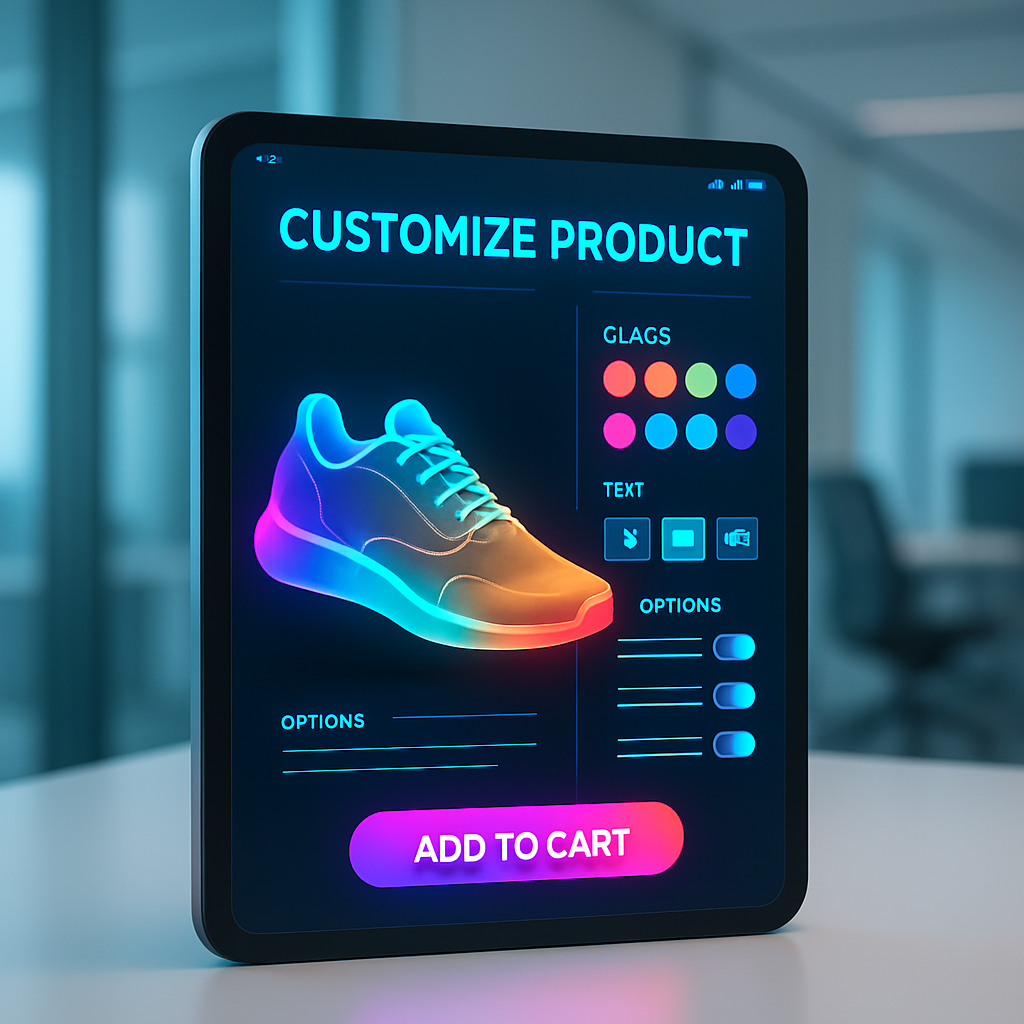
- •3D Visualization: Allow customers to see virtual representations of their customized products before purchase.
- •Online Configurators: Provide an interactive platform for customers to customize their products online.
- •AI and Machine Learning: Use algorithms to suggest customization options based on customer preferences and past behaviors.
Enhancing User Experience Through Customization
Personal Connection and Engagement
Product customization fosters a personal connection between the customer and the brand. By involving customers in the creation process, businesses can enhance engagement and make users feel valued and understood. This emotional connection often translates into brand loyalty and advocacy.
Improved Customer Satisfaction
Customized products are more likely to meet customer expectations, leading to higher satisfaction levels. When consumers feel that a product has been tailored to their specific needs, they are more likely to be satisfied with their purchase, reducing the likelihood of returns and increasing positive word-of-mouth referrals.
Increased Perceived Value
Customers tend to perceive customized products as having higher value, even if the actual cost remains similar to standard offerings. This perception can justify premium pricing, boosting profit margins while still providing value to the customer.
Challenges and Considerations
Balancing Cost and Complexity
While product customization offers numerous benefits, it also introduces complexity into manufacturing and supply chain processes. Businesses must balance these challenges while minimizing additional costs. Strategies to achieve this include:
- •Streamlined Options: Offering a curated selection of customization options to simplify the process.
- •Efficient Technology Integration: Investing in technology that enhances efficiency without significantly increasing overheads.
Ensuring Quality Control
Maintaining consistent quality across customized products can be challenging. Companies must implement stringent quality control measures to ensure that every customized product meets brand standards.
Conclusion
Product customization is a transformative approach that enhances user experience, drives customer satisfaction, and cultivates brand loyalty. By investing in flexible manufacturing processes and leveraging digital tools, businesses can effectively implement customization strategies that meet the evolving needs of modern consumers. As the demand for personalized products continues to grow, companies that embrace customization will be well-positioned to thrive in the competitive marketplace.
Key Takeaways
- •Product customization satisfies consumer demand for individuality and personalized experiences.
- •Offering customizable products can differentiate a brand and enhance customer loyalty.
- •Implementing flexible manufacturing processes and digital tools is essential for successful customization.
- •Customization increases perceived product value and can justify premium pricing.
By mastering the art of product customization, brands can build stronger connections with their customers and secure a sustainable competitive advantage in the ever-evolving market landscape.
Stay in the loop.
Join 5,000+ founders receiving weekly insights on retail scaling and operations.
Get retail growth strategies
delivered to your inbox.
READY TO UPGRADE YOUR OPERATIONS? START TRIAL FREE FOR 30 DAYS.