Mastering Retail Space Optimization: Strategies for Maximum Impact
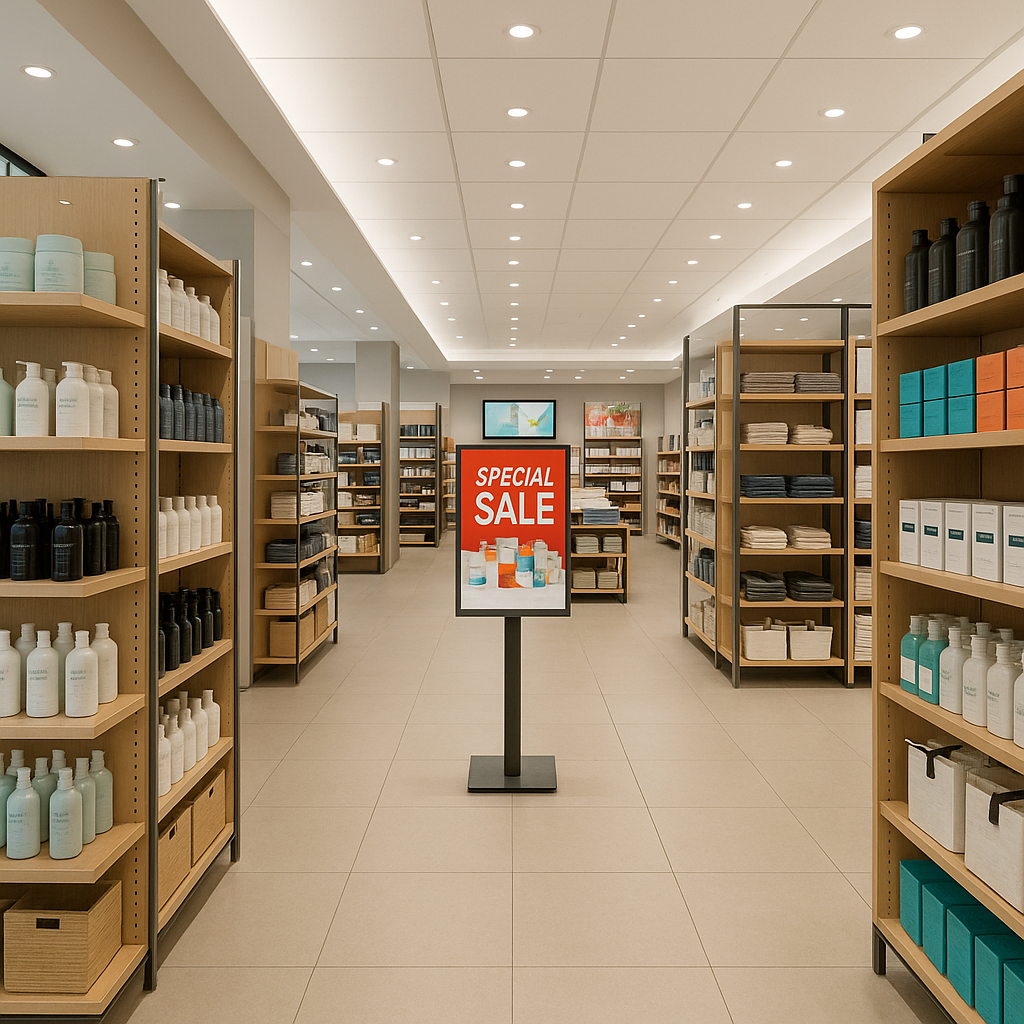

Mastering Retail Space Optimization: Strategies for Maximum Impact
In the competitive world of retail, space optimization is a crucial factor in enhancing customer experience and increasing sales. Effective management of retail space not only maximizes profitability but also ensures that customers have a seamless shopping journey. This comprehensive guide explores the key strategies for optimizing retail space to achieve maximum impact.
Understanding the Importance of Retail Space Optimization
Retail space optimization involves strategically organizing and utilizing the available space within a store to maximize sales and improve the overall customer experience. This process is vital as it directly affects customer flow, product visibility, and ultimately, sales performance.
The Benefits of Retail Space Optimization
- •Increased Sales: Optimized space can lead to higher product visibility and accessibility, which encourages more purchases.
- •Enhanced Customer Experience: A well-organized store layout provides a pleasant shopping experience, making it easier for customers to find what they need.
- •Improved Inventory Management: Efficient space utilization helps in better inventory control and reduces clutter.
Key Strategies for Retail Space Optimization
1. Analyzing Customer Behavior
Understanding how customers move through your store is the first step in optimizing retail space. Use tools like heat maps and foot traffic analysis to identify popular areas and dead zones.
- •Heat Maps: These provide visual data on the areas where customers spend the most time.
- •Foot Traffic Analysis: Helps in understanding the flow of customers through the store, allowing for strategic placement of high-demand products.
2. Strategic Product Placement
Positioning products strategically can significantly impact sales. Consider the following approaches:
- •Cross-Merchandising: Place complementary products together to encourage additional purchases.
- •End Cap Displays: Utilize the end of aisles for high-impact displays to attract attention.
- •Eye-Level Placement: Position high-margin or popular items at eye level to increase visibility and sales.
3. Optimizing Aisle Layout
The layout of aisles can make or break the shopping experience. Ensure that aisles are spacious enough to accommodate traffic and accessible for all customers.
- •Wide Aisles: Facilitate easier movement and reduce congestion.
- •Logical Flow: Arrange aisles in a manner that guides customers naturally through the store.
4. Utilizing Vertical Space
Don’t overlook the potential of vertical space. Shelving and displays that utilize vertical space can significantly increase the amount of inventory visible to customers.
- •Tall Shelving Units: Maximize storage and display space while keeping accessibility in mind.
- •Creative Signage: Use signs and displays to draw attention to products located higher up.
5. Incorporating Technology
Integrating technology into retail space can enhance the shopping experience and streamline operations.
- •Digital Signage: Use for dynamic messaging and promotions.
- •Interactive Displays: Engage customers with technology that allows them to explore products digitally.
6. Regularly Updating Store Layout
Retail trends and customer preferences change rapidly. Regularly updating your store layout ensures that the space remains fresh and inviting.
- •Seasonal Changes: Adapt product placement for seasonal demands and promotions.
- •Customer Feedback: Use insights from customer feedback to make informed changes.
Conclusion: The Path to Retail Success
Optimizing retail space is not a one-time effort but an ongoing process that requires constant evaluation and adaptation. By implementing these strategies, retailers can create an environment that not only boosts sales but also enhances the overall shopping experience. Remember, the goal is to create a space that customers find inviting and easy to navigate while maximizing the potential for increased profitability.
Frequently Asked Questions
What is the most important factor in retail space optimization?
The most important factor is understanding customer behavior and preferences, as this will guide all other aspects of space optimization, from layout to product placement.
How often should store layouts be updated?
Store layouts should be reviewed and potentially updated at least quarterly to reflect changes in consumer behavior, seasonal trends, and inventory updates.
Can technology really impact retail space optimization?
Absolutely. Technology such as digital signage and interactive displays can significantly enhance customer engagement and streamline operations, leading to more effective space utilization.
Stay in the loop.
Join 5,000+ founders receiving weekly insights on retail scaling and operations.
Get retail growth strategies
delivered to your inbox.
READY TO UPGRADE YOUR OPERATIONS? START TRIAL FREE FOR 30 DAYS.