Optimizing Retail Operations with Seamless Supply Chain Integration
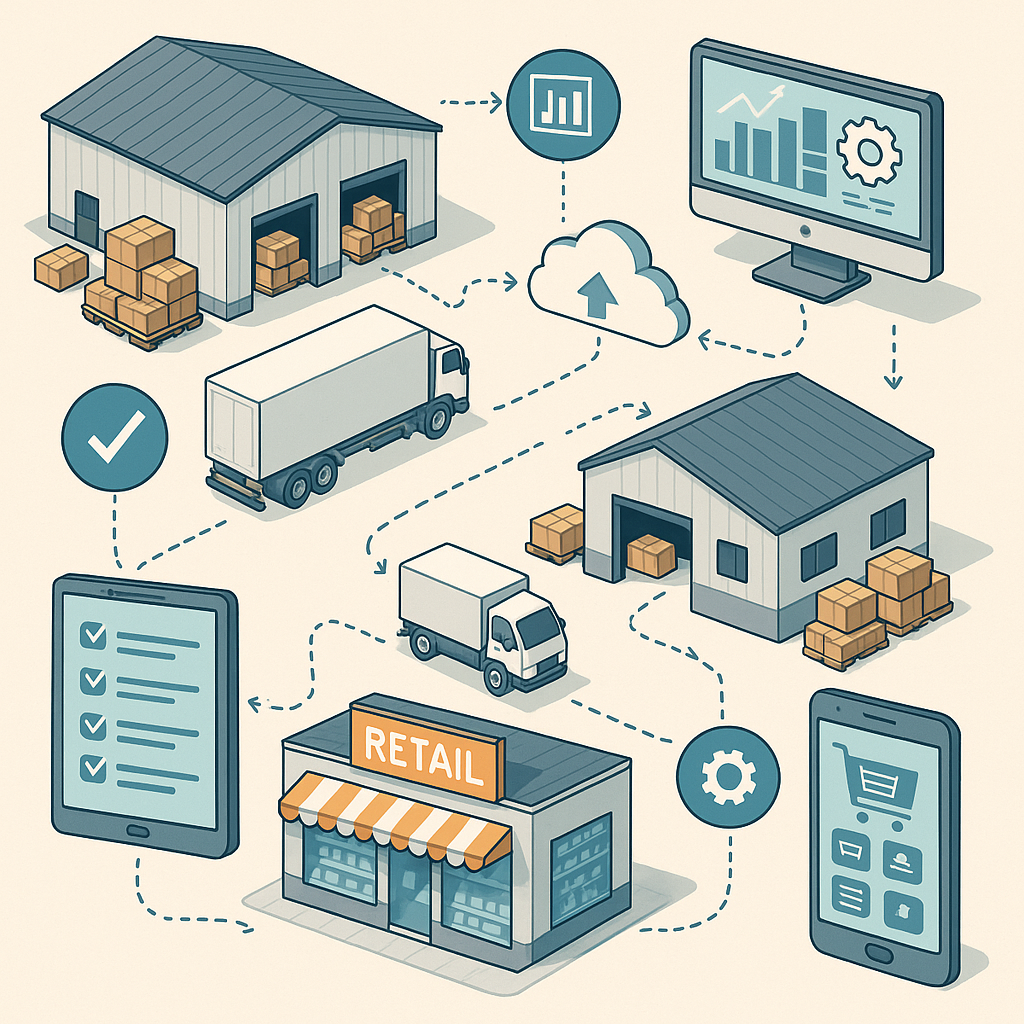

Optimizing Retail Operations with Seamless Supply Chain Integration
In the dynamic world of retail, operations management is crucial for maintaining a competitive edge. One key area that can significantly enhance retail operations is the integration of a seamless supply chain. This approach not only streamlines processes but also enhances customer satisfaction and boosts the bottom line. In this blog post, we will explore strategies for achieving a seamless supply chain integration and how it can transform retail operations.
Understanding the Importance of Supply Chain Integration
A well-integrated supply chain ensures that all components, from procurement to delivery, work harmoniously. This integration is vital for several reasons:
- •Efficiency: Streamlined processes reduce delays and increase the speed of operations.
- •Cost Reduction: Efficient supply chains minimize waste and lower operational costs.
- •Customer Satisfaction: Timely delivery and product availability enhance the customer experience.
Key Strategies for Seamless Supply Chain Integration
1. Implement Advanced Technology
Embracing technology is critical for achieving supply chain integration. Retailers can utilize:
- •Automation: Automate repetitive tasks to reduce human error and increase speed.
- •Data Analytics: Use data insights to forecast demand and manage inventory more effectively.
- •Internet of Things (IoT): Implement IoT devices for real-time tracking of goods and assets.
2. Foster Collaboration and Communication
Integrated supply chains require strong relationships with suppliers and partners. To foster this:
- •Regular Communication: Hold frequent meetings and updates with stakeholders.
- •Shared Platforms: Utilize shared digital platforms for seamless information exchange.
- •Partnership Agreements: Establish clear agreements that outline responsibilities and expectations.
3. Optimize Inventory Management
Effective inventory management is crucial for a seamless supply chain. Strategies include:
- •Just-in-Time (JIT) Inventory: Reduce excess stock and ensure products are available when needed.
- •Demand Forecasting: Use historical data and market trends to predict future demand accurately.
- •Supply Chain Visibility: Implement systems that provide visibility across the entire supply chain.
4. Enhance Logistics and Distribution
Logistics play a critical role in supply chain integration. Consider:
- •Efficient Transportation: Optimize routes and transportation methods to reduce costs and delivery times.
- •Cross-Docking: Use this method to minimize storage time and move products directly from receiving to shipping.
- •Last-Mile Optimization: Focus on the final delivery stage to improve customer satisfaction.
Benefits of a Seamless Supply Chain Integration
Integrating a seamless supply chain offers numerous benefits:
- •Increased Agility: Retailers can quickly adapt to market changes and customer demands.
- •Improved Supplier Relationships: Strengthen ties with suppliers for better collaboration and reliability.
- •Enhanced Customer Experience: Reliable and timely product availability leads to higher customer satisfaction.
Challenges and Solutions
While the benefits are clear, achieving a seamless supply chain integration can be challenging. Common challenges include:
- •Technology Implementation: Ensure proper training and support when adopting new technologies.
- •Data Management: Implement robust systems to handle data securely and efficiently.
- •Resistance to Change: Foster a culture of innovation and adaptability to overcome resistance.
Solutions:
- •Invest in Training: Equip your team with the skills needed for new processes and technologies.
- •Consultation and Expertise: Bring in external expertise to guide the integration process.
- •Continuous Improvement: Regularly assess and refine supply chain strategies to stay ahead.
Conclusion
In today's competitive retail landscape, optimizing operations through seamless supply chain integration is not just an option—it’s a necessity. By implementing advanced technologies, fostering collaboration, optimizing inventory management, and enhancing logistics, retailers can achieve a well-integrated supply chain that boosts efficiency and enhances customer satisfaction. Embrace these strategies to transform your retail operations and secure a competitive advantage.
Stay in the loop.
Join 5,000+ founders receiving weekly insights on retail scaling and operations.
Get retail growth strategies
delivered to your inbox.
READY TO UPGRADE YOUR OPERATIONS? START TRIAL FREE FOR 30 DAYS.