Streamlining Retail Inventory Management: Strategies for Success
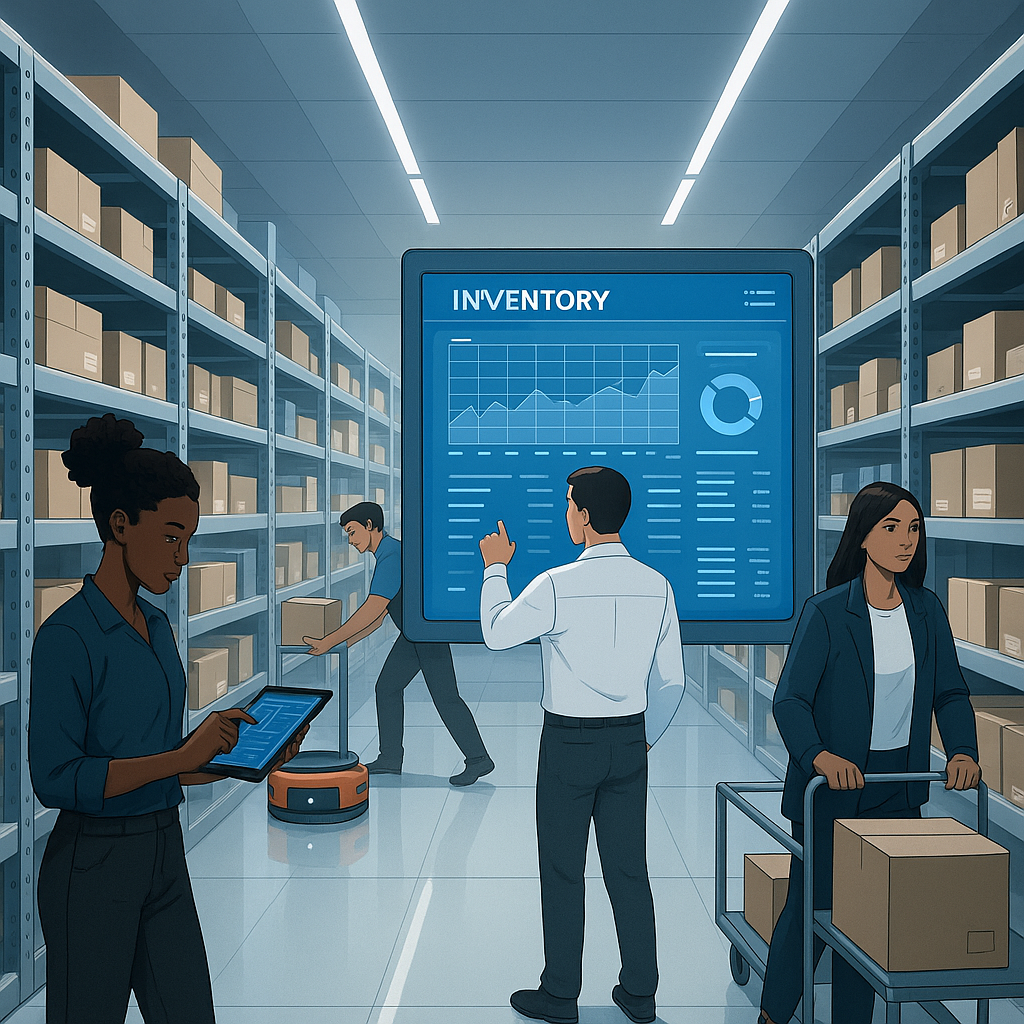

Streamlining Retail Inventory Management: Strategies for Success
In the fast-paced world of retail, effective inventory management is crucial for success. Retail inventory management involves ordering, storing, and utilizing a company's inventory, which typically includes raw materials, components, and finished products. A well-optimized inventory system can enhance efficiency, reduce costs, and improve customer satisfaction.
Understanding the Importance of Inventory Management
At its core, inventory management ensures that a retail business has the right products in the right quantities at the right time. This balance helps prevent overstocking and stockouts, both of which can have significant financial implications.
The Impact on Customer Satisfaction
- •Availability: Customers expect products to be available when they need them. Proper inventory management ensures that popular items are always in stock.
- •Pricing: Overstock can lead to markdowns and profit loss, while stockouts can drive customers to competitors.
- •Experience: Efficient inventory management contributes to a smooth shopping experience, fostering customer loyalty and repeat business.
Challenges in Retail Inventory Management
Retailers face several challenges when managing inventory, including:
- •Demand Forecasting: Predicting customer demand accurately is complex and requires analyzing historical data and market trends.
- •Supply Chain Coordination: Coordinating with suppliers to ensure timely delivery without excess stock.
- •Technological Integration: Implementing systems that integrate seamlessly with existing processes.
- •Shrinkage: Dealing with theft, damage, or administrative errors that reduce inventory levels.
Strategies for Effective Inventory Management
To tackle these challenges, retailers can adopt various strategies:
1. Implementing Inventory Management Software
Modern inventory management software provides real-time data analysis, helping retailers make informed decisions. These systems can automate ordering processes, track inventory levels, and forecast demand.
2. Adopting Just-in-Time (JIT) Inventory
The JIT approach minimizes inventory levels by ordering stock only as needed. This reduces holding costs and decreases waste due to unsold products.
3. Utilizing Data Analytics
Leveraging data analytics allows retailers to extract insights from sales data, helping them understand purchasing patterns and adjust inventory accordingly.
4. Enhancing Supplier Relationships
Building strong relationships with suppliers ensures better communication and more reliable supply chains, reducing the risk of stockouts.
5. Regular Audits and Cycle Counts
Conducting regular inventory audits and cycle counts helps maintain accuracy in inventory records, identifying discrepancies early.
Technology's Role in Inventory Management
The integration of technology is revolutionizing inventory management in retail:
RFID Technology
Radio-Frequency Identification (RFID) tags provide real-time tracking of inventory, improving accuracy and reducing manual labor.
AI and Machine Learning
AI-driven solutions can predict demand patterns more accurately and optimize stock levels accordingly.
Cloud-Based Solutions
Cloud-based inventory systems offer scalability and flexibility, making it easier to manage inventory across multiple locations.
Conclusion
Effective inventory management is a cornerstone of retail success. By adopting the right strategies and technologies, retailers can optimize their inventory, reduce costs, and enhance customer satisfaction. As the retail landscape continues to evolve, staying ahead of inventory management trends will be crucial for maintaining a competitive edge.
By understanding and implementing these strategies, retailers can streamline their operations, minimize losses, and maximize profitability—ensuring they remain agile and responsive in an ever-changing market.
Stay in the loop.
Join 5,000+ founders receiving weekly insights on retail scaling and operations.
Get retail growth strategies
delivered to your inbox.
READY TO UPGRADE YOUR OPERATIONS? START TRIAL FREE FOR 30 DAYS.